The museum in a state of change
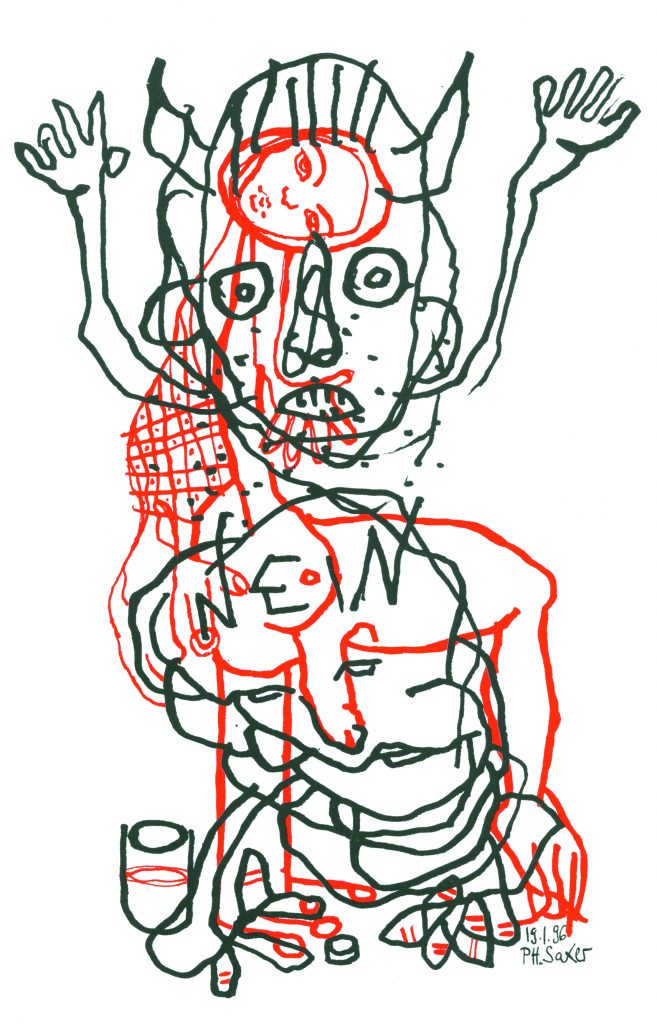
In 1914, the psychiatrist Walter Morgenthaler established a small museum at the Bern University Clinic in Waldau, showcasing works by Adolf Wölfli and other patients, as well as objects relating to the clinic’s history. In 1990, the canton and the clinic bequeathed this important ‘Morgenthaler Collection’ to a newly established foundation, under whose management the museum – which had gradually fallen into obscurity – reopened in 1993 in a new form. Until now, the museum has been run primarily by volunteers and has focused on the history of psychiatry.
As part of a participatory process, the museum set out the broad outlines of its reorientation in 2025. It aims to broaden its remit and become a central forum in the public debate on mental health. This ‘House of the Mind’ – as it is provisionally named – is open, inclusive and participatory; it offers reflections on the past, present and future, sparks debate, fosters connections and encourages social interaction. To achieve this, it works closely with individuals and organisations from the fields of healthcare, psychiatry, art and culture.
The museum’s new premises, improvements to the collections and storage conditions, as well as professional management, all come at a cost. The museum is therefore in talks with private donors and the authorities. If funding is not secured, the museum will close its doors. This would be a great loss and a missed opportunity: the sharp rise in mental illness and the stigma that persists call for a place where barriers are broken down and understanding takes root. The museum is ideally suited to this mission. It houses a collection of international significance comprising objects from the history of psychiatry and works of art created by people who have had experience of psychiatric care. The Waldau is a site unique in the world where, for 275 years, people with mental health conditions have been cared for and treated. It has been the home and workplace of figures such as Adolf Wölfli, Friedrich Glauser, Robert Walser and Hermann Rorschach. The new museum aims to make use of this space in a variety of ways, in consultation with the clinic, to create an exceptional venue for encounter and reflection on the psyche. It is aimed at the general public and pays particular attention to schools and young people.
The response from the authorities and foundations to the museum’s plans has so far been very positive, even though funding is currently – as of January 2026 – still far from secure. If you would like further information, have any suggestions or wish to offer your support, please contact Hubert Steinke, president of the Foundation (hubert.steinke@unibe.ch).